Same-day AC repair
Not cooling, blowing warm, short-cycling, tripping the breaker, frozen coil — diagnosed and fixed, usually in one visit.
When your AC dies in the middle of a Central Florida summer, the house is unlivable by mid-afternoon. Tell us what's wrong and we'll connect you with a licensed Lakeland HVAC contractor who can actually come today.
Tell us what's going on and a local pro will call you.
Not cooling, blowing warm, short-cycling, tripping the breaker, frozen coil — diagnosed and fixed, usually in one visit.
When it's 95° with matching humidity, no AC is a health risk, not an inconvenience. Urgent requests get routed first.
Straight talk on repair-vs-replace for systems worn down by nine-plus months of cooling load a year, with a proper load calculation, not a guess.
Fried control boards and blown compressors after a storm rolls through — a routine call in Polk County, not a rare one.
Lakeland sits in the I-4 corridor between Tampa and Orlando, a stretch of Central Florida that sees more lightning strikes per square mile than almost anywhere else in the country. Summer afternoon storms build fast off the Gulf and Atlantic sea breezes and collide right over Polk County most days from June through September. That means a real, distinct failure mode local homeowners deal with that most of the country doesn't: a nearby strike sends a power surge through the electrical service and takes out the AC's control board, capacitor, or even the compressor — sometimes with no visible storm damage anywhere else in the house. If your AC died right after a thunderstorm, that's the first thing a tech should check, not the last.
Outside of storm damage, the everyday enemy is runtime. Lakeland's cooling season runs practically year-round — meaningful AC load from February through November, with July and August afternoons regularly hitting a heat index over 100°F on top of Florida's thick, swampy humidity. A system that would coast for 15 years in a drier, milder climate is often worn out here in 10 to 12, purely from the extra hours on the compressor.
Humidity control is the other half of the job. A correctly sized Lakeland system runs long, steady cycles that actually pull moisture out of the air. An oversized unit slams the thermostat setpoint and shuts off before it's dehumidified anything, leaving the house cold but clammy — a setup that grows mold in closets and behind furniture within a season. If a contractor quotes a full replacement without doing a real load calculation, that's worth a second opinion.
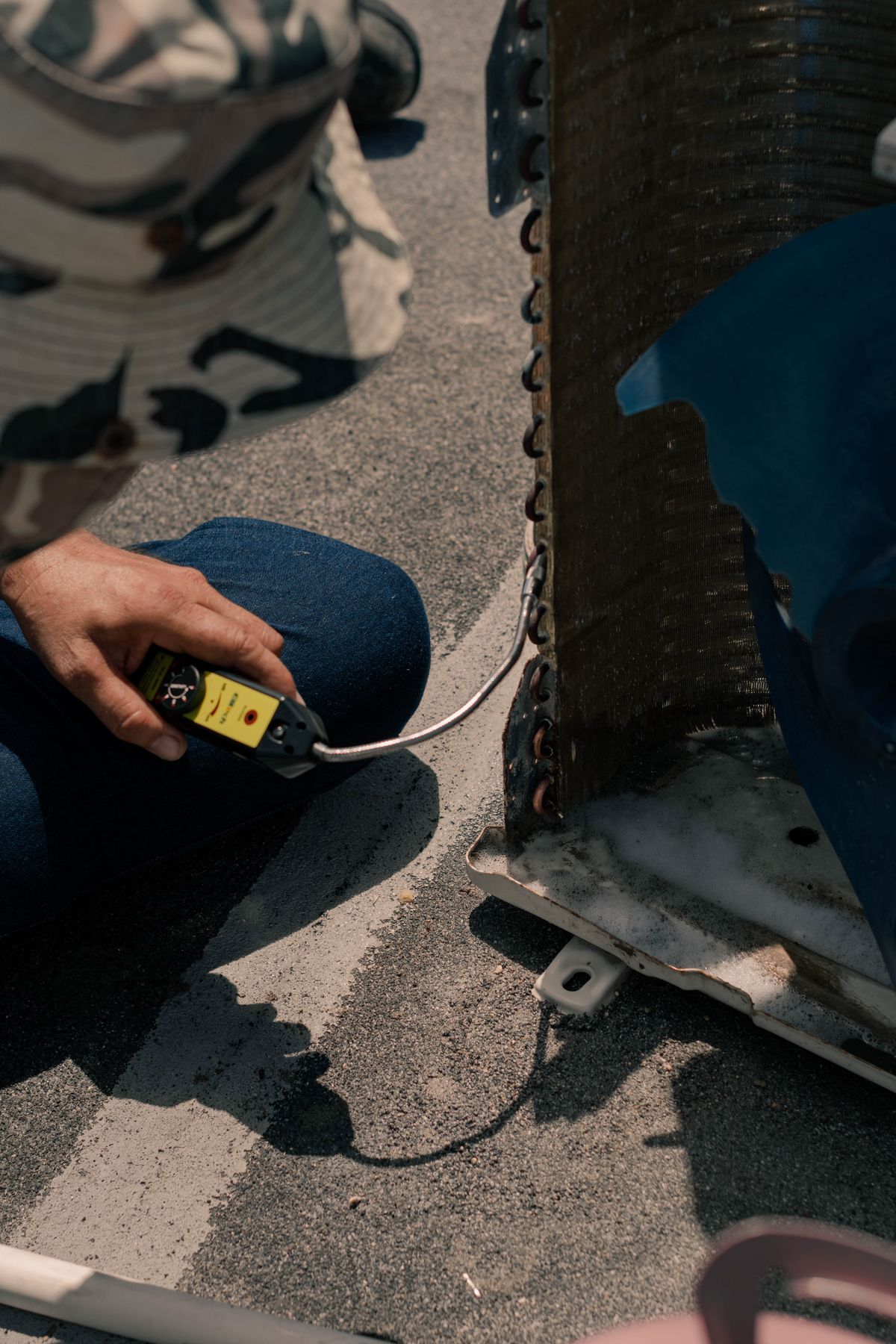
Typical Polk County service-call pricing runs $75–$150 for the diagnostic visit, usually credited toward the repair if you move forward. The most common failure after a storm — a blown run capacitor or a fried control board — usually lands between $150 and $500 depending on which component took the hit. Refrigerant leak repairs vary widely: $250–$600 for a simple fix and recharge, up to $1,200–$1,800 if the evaporator coil itself needs replacing. Full system replacement in the Lakeland area typically runs $6,500–$13,000 depending on tonnage, SEER rating, and ductwork condition — and given how often lightning is a factor here, a whole-house or condenser-specific surge protector (usually $150–$400 installed) is a genuinely worthwhile add-on, not an upsell.
One honest local note: after a big afternoon storm rolls through, every shop in town gets flooded with surge-damage calls at once, and same-day slots go fast. If your AC is acting up before a storm even hits — short-cycling, tripping breakers, icing up — get it looked at before it fails outright on the day everyone else's does too.
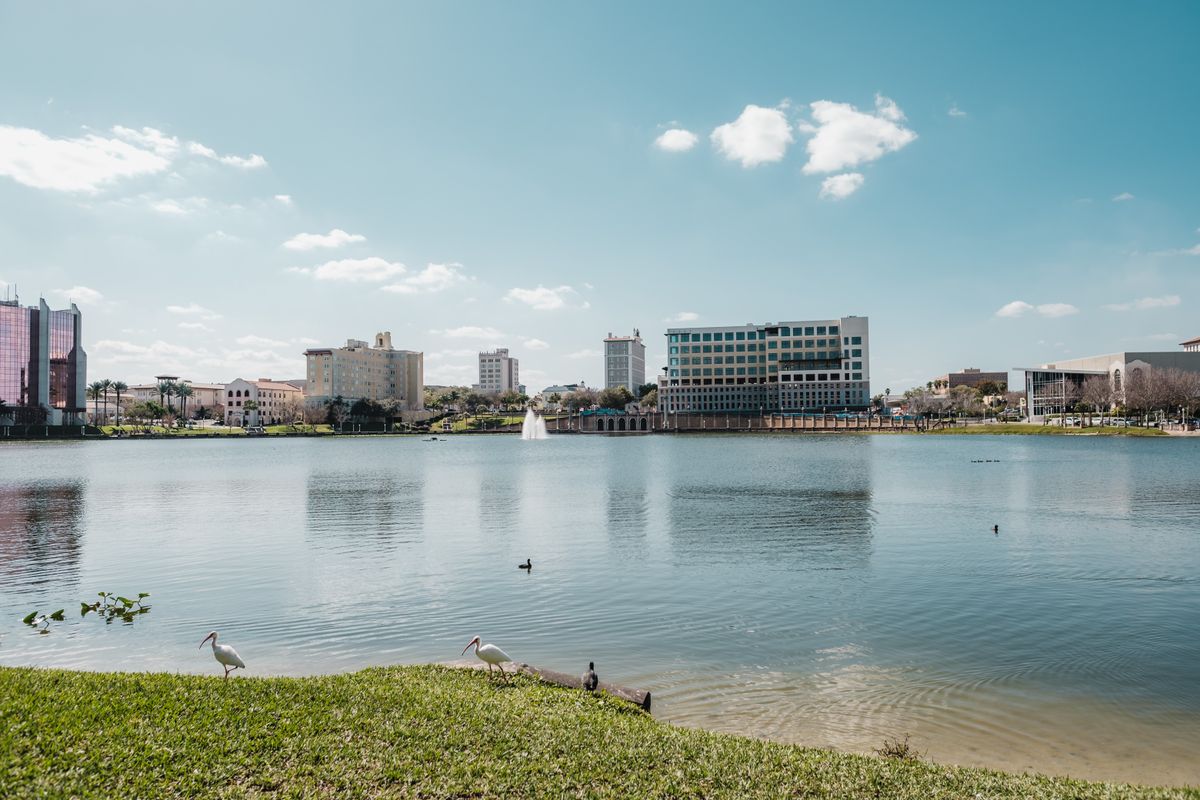
Contractors in our network cover the Lakeland metro and the surrounding Polk County communities: Dixieland, South Lakeland, and Lake Morton in the city itself, plus Winter Haven, Plant City, Auburndale, Bartow, Mulberry, Polk City, and Kathleen. If you're just outside these areas, call anyway — most of our pros run service routes well beyond their home base.
Very likely. Lakeland sits in one of the most lightning-prone parts of the country, and a nearby strike doesn't have to hit your house directly to send a damaging power surge through your electrical service. Fried control boards and blown compressors right after a storm are one of the most common calls we route. Mention the timing when you request service — it helps the tech diagnose faster.
If the outdoor unit hums but the fan doesn't spin, or it clicks and won't start, that's classically a failed run capacitor — one of the cheapest AC repairs. If a storm was involved, a fried control board is just as likely and looks similar from the outside. A licensed tech can tell the difference in one visit.
In Central Florida that's usually a system short-cycling before it's had time to pull humidity out of the air, low refrigerant reducing capacity, or ductwork leaking conditioned air into the attic. All three are common in Lakeland homes, and all three need a proper diagnosis rather than just adding refrigerant and hoping.
Yes — a mechanical permit is required for AC changeouts in the City of Lakeland and unincorporated Polk County, and the work must be performed by a Florida-licensed air conditioning contractor. A legitimate contractor pulls the permit as part of the job; be cautious of anyone who suggests skipping it to save time.
Nothing. We're free for homeowners. We connect your request with licensed local contractors; the contractor may pay us a referral fee, which never changes your price.
Every air conditioning contractor working in Lakeland must hold a Florida DBPR Class A or Class B air conditioning contractor license. Before anyone touches your system, you can verify their license in about 30 seconds at the Florida DBPR license search. Every contractor in our network is licensed — and we encourage you to check them anyway. It's your house.